What Makes Organic Unpolished Arhar Dal Better?
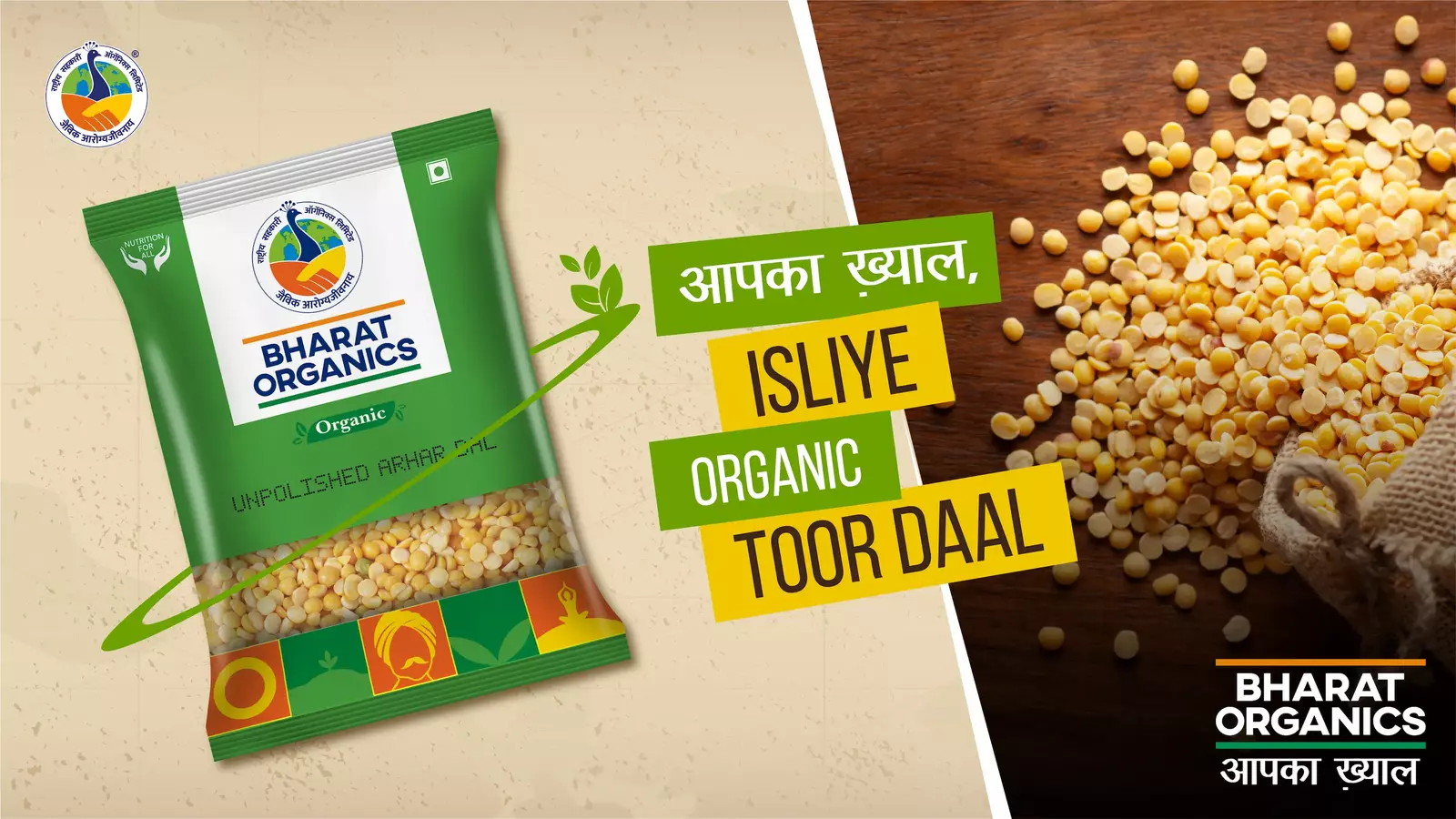
Let's be honest, dal is the unsung hero of Indian kitchens. It doesn't demand attention like biryani or strut around like butter chicken, but it's there, reliably showing up at lunch and dinner, keeping bellies full and nutrition levels respectable. And among the dal dynasty, toor dal (also known as arhar dal) sits comfortably on the throne.
But here's where things get interesting. Not all toor dal is created equal. Walk into any grocery store, and you'll find yourself staring at polished dal that gleams like it's been to a spa, and then there's the organic unpolished variety that looks like it just rolled out of bed, rough around the edges but full of character. Today, we're diving into why that unpolished, organic version deserves a permanent spot in your pantry.
Table of contents
What is toor dal?
Before we get into the nitty-gritty of why organic unpolished ‘toor dal’ is superior, let's establish what we're talking about here.
Toor dal, affectionately known as ‘arhar dal’ in many parts of India, is a split pigeon pea. It's that yellow lentil you've probably eaten a thousand times without giving it much thought. The dal that makes sambar sing, the foundation of dal tadka, and the reliable sidekick to rice across millions of Indian households.
This humble legume has been cultivated in India for over 3,000 years. Our ancestors knew what they were doing when they made this a dietary staple. Toor dal is protein-rich, relatively easy to cook, and has a mild, nutty flavor that plays well with spices.
The dal you typically find in stores comes in two avatars: the shiny, polished version that looks camera-ready, and the unpolished toor dal that has a slightly duller appearance with a thin coating of natural oil. That coating? That's where the magic happens.
Is toor dal and arhar dal same?
Yes, absolutely, completely, 100% the same thing. Toor dal and arhar dal are just different names for the identical legume. It's like how some people say "tomato" and others say "to-mah-to," except less pretentious and more regional.
The name "toor" is commonly used in South India, while "arhar" is popular in North India. You might also hear it called "tuvar dal" in some regions, or even "red gram dal" in English-speaking contexts. Pigeon pea is the scientific name, though nobody calls it that at the dinner table unless they're trying to sound unnecessarily fancy.
The polished vs. unpolished debate
Here's what most people don't know, polished dal isn't polished to make it prettier (though that's a nice side effect). Dal is often polished to increase its shelf life and make it cook faster. Sounds convenient, right? Well, convenience often comes at a cost.
The polishing process typically involves coating the dal with oil and then running it through machinery that literally rubs off the outer layer. This removes the natural protective coating that contains essential nutrients and healthy fats.
Unpolished toor dal, on the other hand, keeps its natural outer layer intact. It might not win beauty contests, but it's nutritionally superior.
When you choose organic unpolished arhar dal, you're getting a product that hasn't been subjected to chemical farming practices and hasn't been cosmetically enhanced. It's dal in its most authentic form, the way nature intended it. At Bharat Organics, we source our unpolished toor dal directly from certified organic farms, ensuring it stays as close to its natural state as possible.
How much protein in toor dal?
Let's talk numbers, because this is where toor dal really flexes.
A 100-gram serving of unpolished toor dal packs approximately 22 grams of protein. That's nearly half your daily protein requirement if you're an average adult. For perspective, that's almost as much protein as you'd get from three large eggs, minus the cholesterol drama.
But here's the kicker: the protein in organic unpolished toor dal is often better preserved because it hasn't gone through aggressive processing. The natural oils and outer coating protect the protein content from degradation.
For vegetarians and vegans, toor dal is basically a superhero in legume form. It provides essential amino acids that your body needs to build and repair tissues. Sure, it's not a complete protein on its own (you'll need to pair it with rice or roti to get all nine essential amino acids), but that's exactly what traditional Indian meals have been doing for centuries. Our grandmothers were nutritionists before it was cool.
The protein content makes unpolished toor dal particularly valuable for:
●Growing children who need protein for development
●Athletes and fitness enthusiasts building muscle
●Pregnant women requiring extra nutrition
●Anyone looking to reduce their meat consumption without compromising on protein
Plus, unlike animal protein, dal comes with fiber, complex carbohydrates, and doesn't contribute to that post-meal food coma quite as dramatically.
How many whistles for toor dal?
Ah, the eternal question that has plagued home cooks since the invention of the pressure cooker.
For unpolished toor dal, you'll typically need about 3-4 whistles on medium heat after the pressure builds up. But here's the thing, this isn't an exact science. Your elevation, the age of your dal, the hardness of your water, and even the mood of your pressure cooker can all affect cooking time.
Unpolished toor dal does take slightly longer to cook than its polished cousin because that protective outer layer needs more time to break down. But "slightly longer" means maybe one extra whistle, not a dramatic increase in cooking time. The trade-off in nutrition is absolutely worth the extra three minutes.
Here's a foolproof method:
●Wash your organic unpolished toor dal thoroughly (2-3 rinses)
●Soak it for 20-30 minutes if you have time (not mandatory, but it helps)
●Add dal to your pressure cooker with water (ratio: 1 cup dal to 3 cups water)
●Add a pinch of turmeric and a few drops of oil to prevent foaming
●Close the lid and let it whistle 3-4 times on medium heat
●Turn off the heat and let the pressure release naturally
If your dal isn't cooked enough after 3 whistles, give it one more. If it's too mushy, use 3 whistles next time. Cooking is personal, you'll find your rhythm.
Pro tip: unpolished toor dal retains its shape better even when fully cooked, which some people prefer. It doesn't turn into complete mush as readily as polished dal, giving your dishes better texture.
Why Organic Matters

The "organic" part of organic unpolished arhar dal isn't just marketing fluff, it's genuinely significant. Conventionally grown dal is often exposed to synthetic pesticides, chemical fertilizers, and sometimes even dangerous adulterants during processing. These chemicals don't just vanish when you cook the dal, trace amounts can remain, and over time, regular consumption can impact your health.
Organic toor dal is grown without synthetic pesticides or GMOs. The soil it grows in is richer in nutrients because organic farming practices focus on soil health.
Our organic toor dal at Bharat Organics is cultivated without harmful chemicals and processed naturally to retain all that nutritional goodness. We believe your body deserves ingredients that haven't been compromised for the sake of appearance or extended shelf life.
Also, organic farming is better for the farmers and the environment. It doesn't contaminate groundwater with chemical runoff, preserves biodiversity, and is generally more sustainable long-term.
The Taste Test
Let's address the elephant in the room: does organic unpolished arhar dal actually taste different?
Yes, subtly. Unpolished toor dal has a slightly earthier, nuttier flavor compared to polished dal. It's not a night-and-day difference, but once you notice it, you can't un-notice it. The natural oils in the outer coating contribute to a richer taste and a more satisfying mouthfeel.
Some people initially resist unpolished dal because they're used to the appearance and texture of polished dal. Give it three or four tries before making a judgment. Your palate needs time to adjust and appreciate the difference.
Storage and Shelf Life
Unpolished toor dal spoils faster than polished, lasting 6-8 months vs. a year or more, but proper storage minimizes this. Keep it in an airtight container in a cool, dry place; refrigerate in humid areas to avoid moisture and pests.
So, Is Organic Unpolished Arhar Dal Better?
Organic unpolished toor dal might cost a bit more upfront, and it might require an extra whistle in your pressure cooker, but what you're getting in return is worth it: more nutrients, better flavor, no chemical residues, and the satisfaction of supporting sustainable farming.
Your body deserves ingredients that haven't been stripped of their natural goodness in the name of convenience and cosmetic appeal. Your grandparents ate unpolished dal, and they turned out fine, actually, probably better than fine given the quality of nutrition they received.
If you're ready to make the switch, we'd love for you to try our organic unpolished toor dal at Bharat Organics. We source it from certified organic farms and process it naturally without harmful chemicals, exactly the kind of quality you deserve when you're investing in better nutrition. Our unpolished arhar dal retains that earthy flavor and nutritional value that makes all the difference in your daily sambar or dal tadka.
So next time you're shopping, reach past the shiny, polished dal and grab organic unpolished arhar dal instead. Your body will thank you, your taste buds will adjust and appreciate it, and you'll be contributing to a food system that values nutrition over aesthetics.
Because at the end of the day, dal might be simple, humble, and unglamorous, but it's also essential, nourishing, and absolutely worth getting right.
FAQ’s
1)What is organic unpolished arhar dal?
Organic unpolished arhar dal (toor dal) is split pigeon pea grown without synthetic pesticides or chemicals, retaining its natural outer bran layer for maximum nutrition.
2)Is toor dal the same as arhar dal?
Yes, toor dal and arhar dal are identical, regional names for the same legume (Cajanus cajan), with "toor" common in South India and "arhar" in the North.
3)Why choose unpolished over polished toor dal?
Unpolished dal keeps the nutrient-rich outer coating with fiber, vitamins, and healthy fats removed during polishing, offering superior nutrition despite a duller look.
4)How much protein is in 100g unpolished toor dal?
It provides about 22g of protein per 100g serving, ideal for vegetarians when paired with rice or roti for complete amino acids.
5)How long to cook unpolished toor dal in a pressure cooker?
Use 3-4 whistles on medium heat (1:3 dal-to-water ratio); soak 20-30 minutes first for faster cooking, as the bran layer adds slight time.
6)Does unpolished arhar dal spoil faster?
Yes, it lasts 6-8 months vs. 1+ year for polished, but airtight storage in a cool, dry place (or fridge in humidity) prevents issues.
7)What makes Bharat Organics' organic toor dal special?
Sourced from certified organic farms by NCOL cooperatives, it's unpolished, chemical-free, with 50% profits to farmers for sustainable quality.
8)Does organic unpolished dal taste different?
It has a nuttier, earthier flavor from natural oils, improving with a few uses as your palate adjusts.